

Protectionism against imports from China
- November 15, 2024
- 0
The problems of Chinese macroeconomic policy are imposing an adverse impact worldwide.
Xi Jinping came to power in 2013. Under his watch, the “China model” has fully blossomed. This involves government control of the country, concentration of power in Xi Jinping, economic nationalism, a prickly hostility towards the West, an a lack of personal safety for the elite, etc.
After a long gap. The once buoyant process of private investment has collapsed. The real estate has turned into sustained declines in real estate prices with much vacant property. Foreign companies, investors, and individuals have been reducing their activities in China, High debt levels threaten systemic stability.
From 2018 onwards, these developments kicked off fundamental changes to the nature of globalisation, which is termed “The Third Globalisation”. In the second globalisation (1982-2018), countries in the periphery like China and India were given unconditional access to the core. In the third globalisation, the core has drawn a line. From 2018 onwards, a large number of restrictions have come up, in the advanced economies, against cross-border activities involving China.
The Chinese economy is faring poorly through a combination of poor domestic policy coupled with the actions of the advanced economies. At heart, there is not enough domestic demand. Many Chinese firms face a choice between cutting prices and closing down. Failure on economic performance has created an economic and political crisis for the regime. The government would like nothing more than to get firms to sell more, by exporting more, and ideally increase employment. Prices of the Chinese export basket expressed in dollars have gone down and are expected to go down further.

In time, these problems will get sorted out through economic and political change within China.
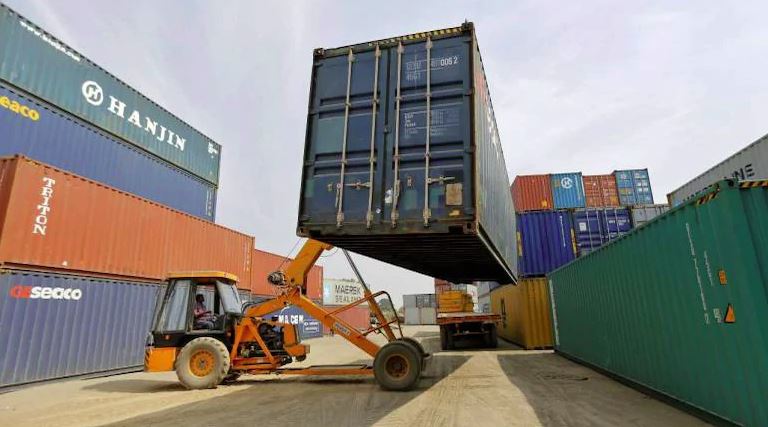
Given the difficulties faced in exporting to advanced economies, Chinese firms have naturally emphasised exporting to the rest of the world. This is the global context within which we should see the problem of surging Chinese imports into India. From 2018 to 2023, the overall growth of Chinese exports to India in this period was 53 per cent.
There is merit in using Indian state power to create trade barriers against Chinese exports into India. These actions should be part of a full policy package that fosters Indian economic dynamism. This constitutes protectionism, and violates the tenets of sound development strategy. But in this special moment, with regard to one trading partner, we believe it is appropriate.
It will take great professional capabilities in economic policy to surgically engage in protectionism with one trade partner only, and to accompany this with an array of complementary moves which reverse the conventional Indian protectionism against the rest of the world. The puzzle of 2024 for policymakers lies in establishing such a strategy.
👇 Please Note 👇
Thank you for reading our article!
If you don’t received industries updates, News & our daily articles
please Whatsapp your Wapp No. or V Card on 8278298592, your number will be added in our broadcasting list.




 Hindi
Hindi 
Ply insight launched on March 2018 with a vision to make a platform to collaborate plywood MDF, Laminate, machinery manufactures with dealers in the Trade.
Categories
Useful Links
Follow Us