

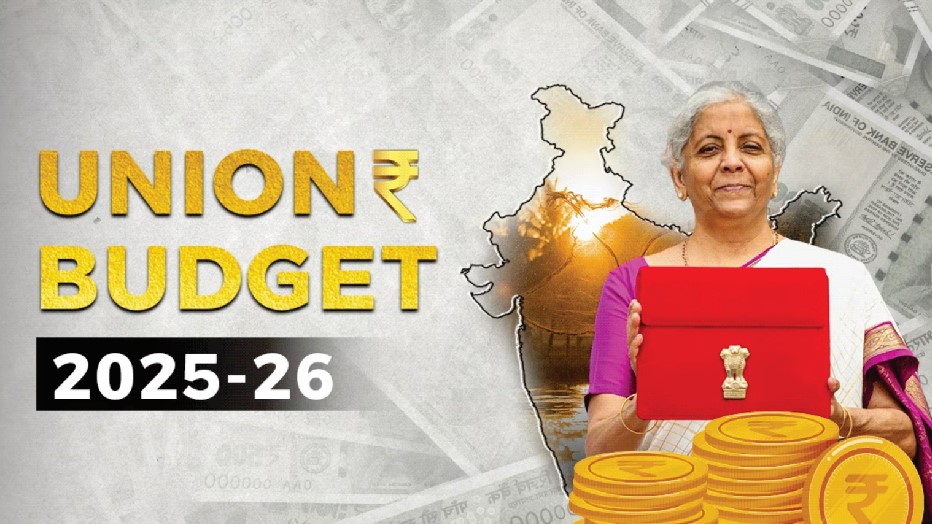
Govt take bold steps for transforming economy
- March 10, 2025
- 0
In a turbulent global economic environment, India’s 2025 Budget brings transformative change, signaling stability and growth by embracing the anti-red tape revolution and ensuring its reforms by enhancing global competitiveness.
While many economies are swinging between regulatory rollbacks and trade barriers, India’s approach focuses on regulatory simplification, and a trust-based compliance framework and an openness to trade.
Among the key pillars of this Budget, is a sweeping regulatory reform agenda aimed at reducing red tape and fostering a pro-business environment.
Reform is the only fuel that propels India’s journey of development, ensuring that governance will keep pace with the country’s evolving economic landscape.
Shifting to a trust-based regulatory model
India’s regulatory framework has long been authoritarian and oppressive, often stifling businesses with excessive compliance requirements. The 2025 Budget signals a clear departure from this approach, embracing trust-based and principle-driven governance over rigid oversight. This shift is evident in several measures.
First, the high-level committee for regulatory reforms aims to dismantle the lingering constraints of the License Raj, addressing the bureaucratic overhang that has historically, hindered business growth.
Second, the Financial Stability and Development Council (FSDC) mechanism not only ensures that new regulations are well-designed but also actively reviews the impact of existing ones, identifying, and addressing responsiveness, and importantly, to develop the financial sector.

Finally, the Jan Vishwas Bill 2.0 advance the decriminalisation push by incentivising voluntary compliance, reducing the fear of excessive enforcement, and aligning India’s regulatory framework with global best practices.
Together, these reforms mark a trend towards incentive-based compliance accompanied by efforts to correct past regulatory missteps.
While the intentions are commendable, effective implementation is critical for these reforms to succeed.
Enhancing ease of doing business
The ease of doing business agenda, aimed at fostering a more investment-friendly and globally competitive business environment, capitalises on existing economic momentum.
In recent years, the traditional dominance of Mumbai, Bengaluru, and New Delhi has waned, with economic growth becoming more demcratised across the country. To encourage and accelerate this shift, the Investment Friendliness Index of States has been introduced. This is a welcome provision as it has the potential to incentivise states and promote healthy competition.
India’s tax framework has also reaffirmed its trust-based approach through the “trust first’ scrutinise later” philosophy, signaling a shift away from overly aggressive tax enforcement to create a more business-friendly environment.
Additionally, income tax reforms are set to boost disposable incomes, which could, in turn, slowing economy making it more conducive to business growth.
Addressing these issues is crucial, but they must not remain mere agenda items without substantive follow-through.
While the agenda is ambitious and commendable, its success will hinge on the government’s ability to learn from past misstep and ensure effective implementation.
👇 Please Note 👇
Thank you for reading our article!
If you don’t received industries updates, News & our daily articles
please Whatsapp your Wapp No. or V Card on 8278298592, your number will be added in our broadcasting list.




 Hindi
Hindi 
Ply insight launched on March 2018 with a vision to make a platform to collaborate plywood MDF, Laminate, machinery manufactures with dealers in the Trade.
Categories
Useful Links
Follow Us