

India to Lead Global Growth Despite IMF’s Downgrade of FY26 Forecast
- August 8, 2025
- 0
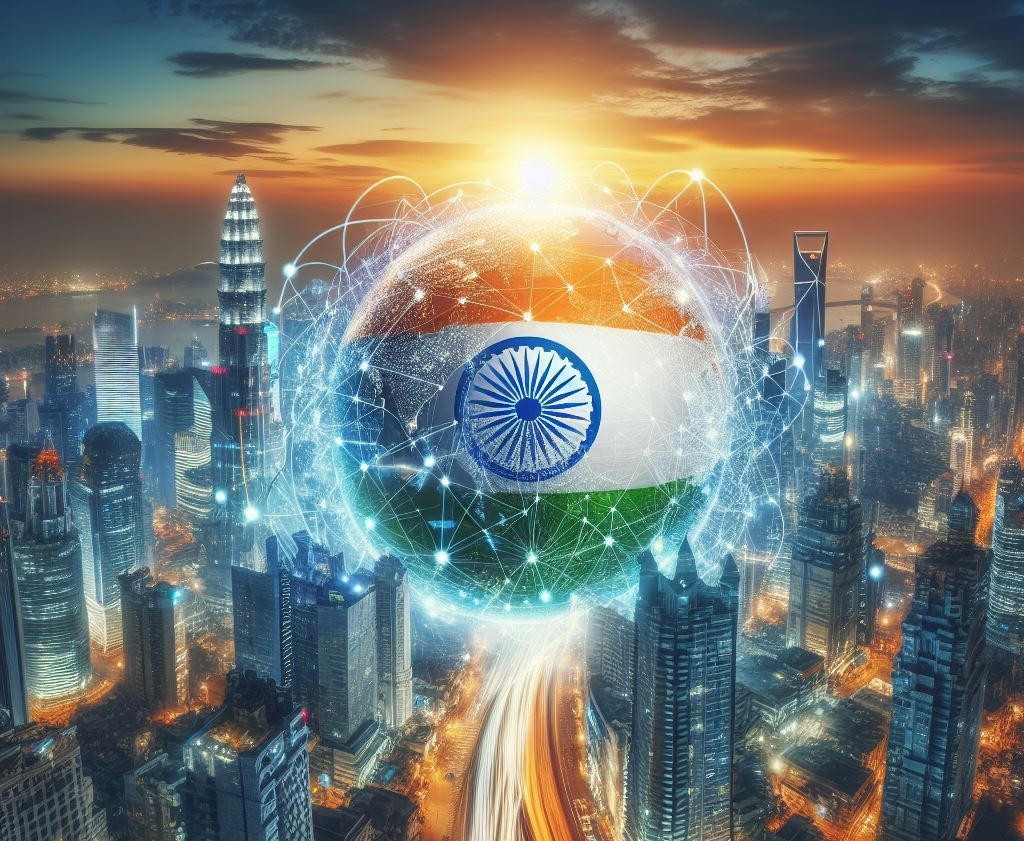
The International Monetary Fund (IMF) has revised India’s FY26 growth forecast to 6.2%, trimming it by 30 basis points from its January projection. While this marks a slight downgrade, India is still expected to remain the fastest-growing economy among emerging and advanced nations. In contrast, the IMF has reduced its global growth outlook for 2025 to 2.8%, down from its earlier estimate of 3.3%, citing escalating trade tensions and heightened uncertainty fueled by US tariffs.
India’s Growth Outlook
According to the IMF’s latest World Economic Outlook, India’s growth for 2025 is projected to remain “relatively more stable”, primarily driven by private consumption, especially in rural areas. Despite the global slowdown, India’s domestic economic fundamentals continue to provide resilience.
Global Trade Tensions and Risks
The IMF warns that the ongoing trade disputes, particularly between China and the US, could have a significant impact on global economic activity. It estimates that tariffs could reduce global GDP by 0.6% by 2027 and by 1% in the long term. The recently implemented tariff measures have pushed effective global tariff rates to levels not seen in a century, raising concerns about long-term impacts on trade and growth.
The IMF also emphasized that Asia and Europe would feel the spillover effects in the medium term. However, some countries could leverage this opportunity to reconfigure their trade networks, strengthen domestic value chains, and potentially benefit from the changing global trade dynamics.

Inflation and Currency Volatility
-
- The report highlights that the impact of tariffs on inflation will vary depending on several factors, such as:
- Whether tariffs are permanent or temporary.
- How businesses adjust their margins to absorb higher import costs.
- The invoicing currency of imports — whether US dollars or local currencies.
- In addition, the IMF cautioned that rapid policy shifts could trigger asset repricing, foreign exchange volatility, and capital flow disruptions, particularly in economies already grappling with debt vulnerabilities.
IMF’s Policy Recommendations
In a strongly worded advisory, the IMF called for prudence and global collaboration to restore a stable and predictable trade environment. The organization stressed the importance of:
-
- Agile monetary policy to respond to evolving conditions.
- Rebuilding fiscal buffers to cushion against external shocks.
- Pursuing structural reforms to enhance long-term economic resilience.
👇 Please Note 👇
Thank you for reading our article!
If you don’t received industries updates, News & our daily articles
please Whatsapp your Wapp No. or V Card on 8278298590, your number will be added in our broadcasting list.


 Hindi
Hindi 

Ply insight launched on March 2018 with a vision to make a platform to collaborate plywood MDF, Laminate, machinery manufactures with dealers in the Trade.
Categories
Useful Links
Follow Us