

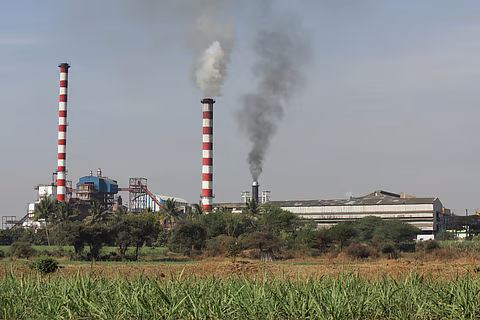
NGT Issues Directives to MoEF&CC to Frame National Guidelines to Curb Pollution from Plywood Industries
- July 3, 2025
- 0
The National Green Tribunal (NGT) has issued a comprehensive set of directions, aimed at curbing pollution from plywood manufacturing units. The Tribunal has mandated stringent regulatory actions by the Haryana State Pollution Control Board (HSPCB), the Ministry of Environment, Forest and Climate Change (MoEF&CC), and the industries.
The was case originated from a letter petitioned by Mr. Sumit Saini, a resident of Yamuna Nagar in May 2022. Applicant have outlined several critical issues:
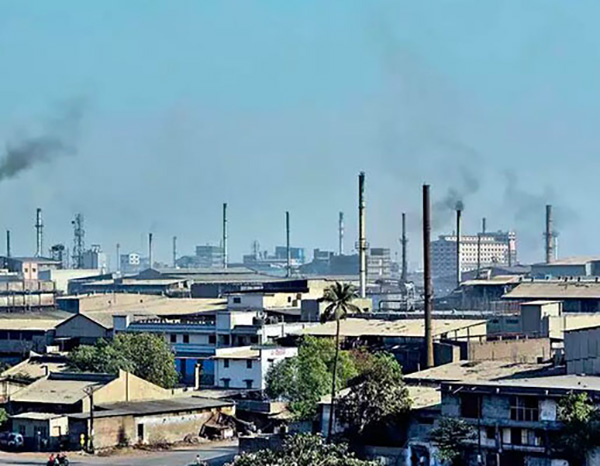
- It was alleged that most factories lacked proper pollution control systems, like multi-cyclones, water scrubbers, or bag filters. That’s why smoke and ash from factory chimneys are settling on rooftops of nearby residential houses, leading to respiratory problems.
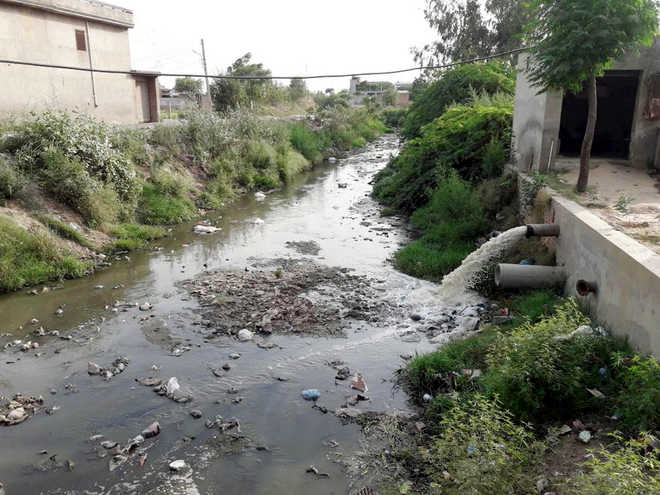
- There was suspicions of untreated industrial wastewater, including glue-making effluent containing urea and chemicals, being discharged into the ground through borewells, contaminating drinking water sources.
- Concerns was raised about the disposal of “fly ash”.
- The applicant Questioned the issuance of No Objection Certificates (NOCs) for factories in residential areas.
Industries Response was as follows:
- Industry use wood waste as fuel, generating “wood ash,” not “fly ash.”
- This wood ash is collected in bags and given to local farmers , for filling and levelling purposes, or to contractors for construction sites.
- Industry possess valid CTOs, and permissions for borewells.
- Plantations had been carried out on industry’s premises.
- Industry is compliant with environmental norms.

The Tribunal referred to the Supreme Court’s directives in the T.N. Godavarman Thirumulkpad case, regarding the regulation of wood-based industries and the subsequent MoEF&CC Wood Based Industries (Establishment and Regulations) Guidelines. It also noted CPCB’s “Orange” category classification for plywood industries (Pollution Index 78.3), indicating significant pollution potential, such as:
- Air pollution from boilers, wood sawing, glue application (formaldehyde emissions),.
- Water pollution from log soaking, chemical leaching, and resin washing.
- Soil contamination from stored wood waste and chemicals.
- Formaldehyde, a human carcinogen used in glues, poses risks to workers. Wood dust and hydrocarbon fumes can cause respiratory issues.
Environmental Clearance for Resin Plants:
The Tribunal clarified that plywood units with captive resin plants (manufacturing Phenol Formaldehyde, Urea Formaldehyde, etc.) fall under the EIA Notification 2006 and require prior Environmental Clearance (EC).
Wood Ash Disposal:
The NGT reiterated its stance that disposal of ash in low-lying areas is improper and directed HSPCB to develop an SOP for wood ash management, similar to mechanisms for fly ash from thermal plants.
This landmark judgment underscores the NGT’s commitment to enforcing environmental regulations strictly. It places significant responsibility on HSPCB for diligent monitoring and enforcement, and on the plywood industries for adopting cleaner practices.
The directive to MoEF&CC to frame national guidelines signals a move towards standardized environmental norms for this sector across the country.
👇 Please Note 👇
Thank you for reading our article!
If you don’t received industries updates, News & our daily articles
please Whatsapp your Wapp No. or V Card on 8278298590, your number will be added in our broadcasting list.



 Hindi
Hindi 

Ply insight launched on March 2018 with a vision to make a platform to collaborate plywood MDF, Laminate, machinery manufactures with dealers in the Trade.
Categories
Useful Links
Follow Us