


Empowering Farmers through Forestry Extension: A Strategic Approach to Agroforestry Promotion in India
- August 11, 2026
- 0
India’s forestry extension system has played a pivotal role in promoting tree cultivation outside traditional forest areas, thereby supporting rural livelihoods and reducing pressure on natural forests. Following the success of externally aided social forestry projects during the 1980s and 1990s, dedicated extension structures were created within State Forest Departments (SFDs) to motivate farmers and communities toward tree-based farming.
However, the discontinuation of these projects and subsequent institutional restructuring led to a significant weakening of forestry extension services across the country.
This article highlights successful models from Tamil Nadu and Haryana, where proactive extension efforts and public-private partnerships demonstrated the economic and environmental potential of tree farming. It also reviews the role of the Indian Council of Forestry Research and Education (ICFRE) and the Indian Council of Agricultural Research (ICAR) in strengthening linkages between research, training, and field-level implementation.
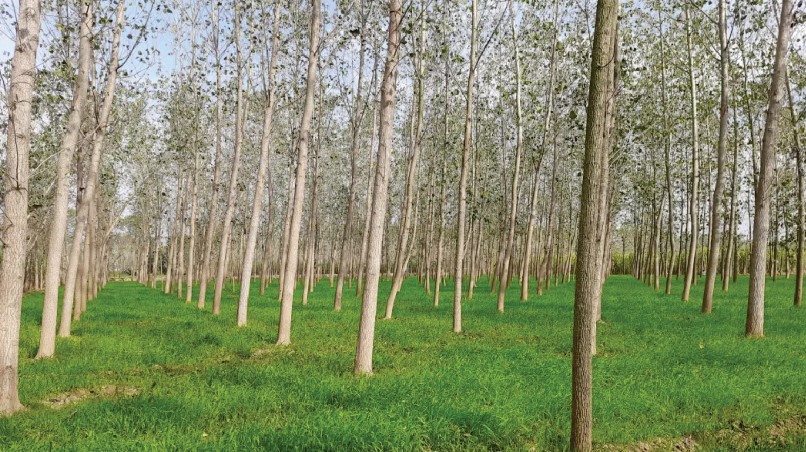
Introduction
The National Commission on Agriculture (1976) recommended large-scale adoption of social forestry activities in the non-forest areas to meet the growing demands for wood with the objective of reducing pressure on natural forests. With the introduction of the National Forest Policy (1988), industries were further encouraged to establish direct partnerships with farmers to fulfill their raw material requirements.
During the 1980s and 1990s, the State Forest Departments (SFDs) created dedicated Social Forestry Wings to implement plantation schemes under externally aided projects. These initiatives focus on promoting wood production outside traditional forest areas, particularly on panchayat, community, and farmland lands. To support this effort, Extension Divisions were established to motivate panchayats and farmers to adopt tree plantation practices. The following are a few notable success stories that highlight the effective extension of tree farming practices in India.
Tamil Nadu
An independent Forestry Extension Wing was established under the Tamil Nadu Forest Department in 1998, headed by an Additional Principal Chief Conservator of Forests (APCCF) and supported by three Chief Conservators of Forests (CCFs). The Wing’s primary mandate was to extend silvicultural practices in various types of soils on the non-forest lands including methods of bio-fertiliser production, carry out eco-education, awareness, and demonstration of improved tree species on private farmlands. Its overall goal was to expand tree cover outside natural forests, train farmers, self-help groups, youth, supply quality planting materials, and promote tree cultivation on private holdings.
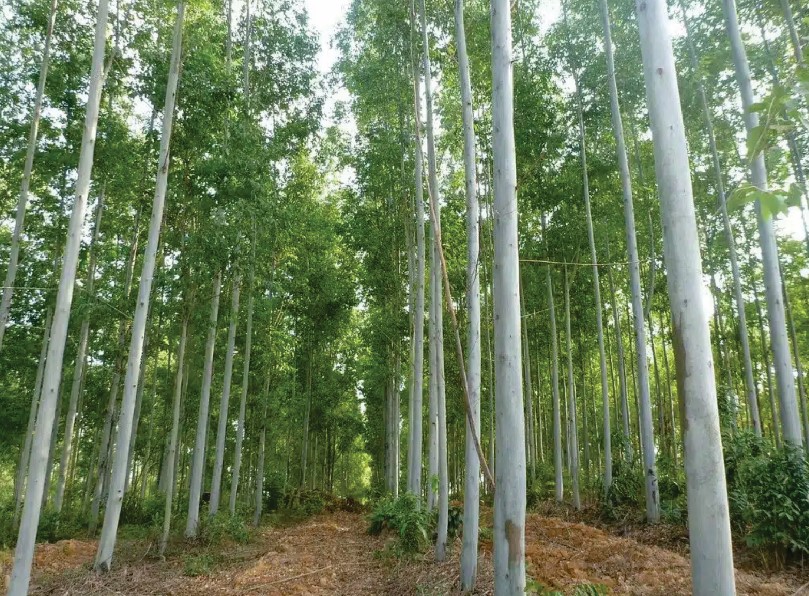
To facilitate this, the Government of Tamil Nadu removed 36 tree species from the provisions of the Tamil Nadu Timber Transit Rules, thereby simplifying harvest and ansport regulations. As a result, tree cultivation on private lands has become a significant component of several major initiatives
including the JBIC, the Tamil Nadu Biodiversity Conservation Project, and other green development programmes. These measures encouraged the planting of commercial (excluding eucalyptus) and multipurpose tree species on private lands under the technical guidance of the Extension and Interpretation Centres.
Haryana
Based on the results from the Clone Testing Area (1993), Eucalyptus clones 3, 7, and 10 were shortlisted for large-scale deployment. To gain first-hand experience with clonal technology, I visited ITC Bhadrachalam Paperboards Ltd. Subsequently, Clonal Seed Orchards were established at Seonthi, Bithmara, and Sohna, while a Clonal Multiplication area was set up at Seonthi. Remarkabley, the clonal eucalyptus began showing impressive results within just six month.
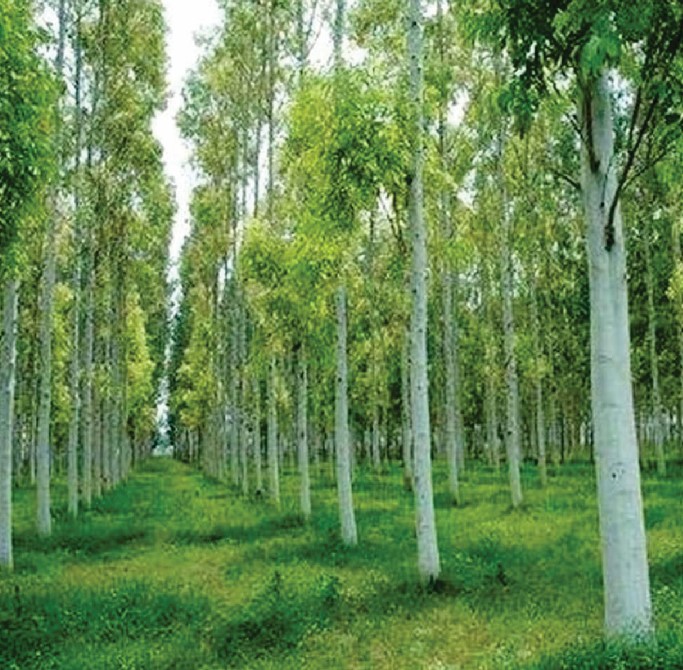
The Social Forestry Circle, Ambala took the lead in promoting clonal eucalyptus on farmlands. Field staff collected contributions from farmers to purchase clonal plants, and the response was overwhelmingly positive.
A key turning point came when Kanwar Pal Rana from Ambala took the lead in arranging clonal plants and established a demonstration plot showcasing the superior growth of clonal plants compared to seedlings. Meanwhile, under the Haryana Community Forestry Project, a mist chamber was established at Seonthi to raise clonal plants.

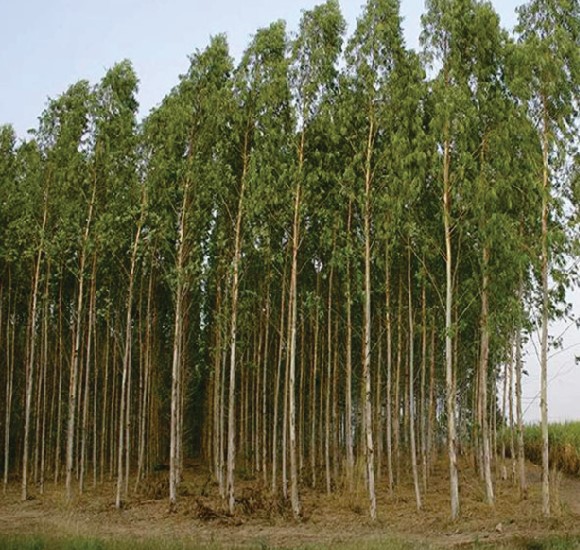
In the 2000s, the SFD launched plantation schemes using clonal eucalyptus in challenging areas such as waterlogged lands and highway corridors for pollution control. The department also made free plantations in farmlands of small and marginal farmers. These collective efforts significantly enhanced productivity, reduced the plantation harvesting cycle, increased farmer incomes, and met the growing raw material needs of wood-based industries (Sapra, 2023).
ICFRE Initiatives
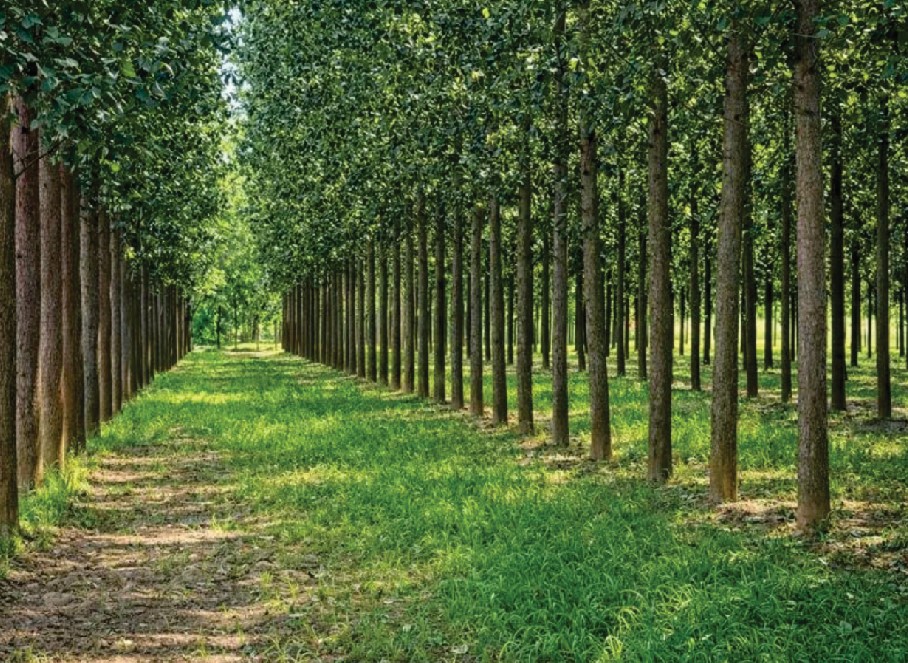
Unlike agricultural crops, the economic returns from tree-based farming are generally realized after a long period. Moreover, the lack of a regulated market, assured pricing mechanisms, and transparent transit rules makes it challenging to motivate farmers to adopt tree cultivation. As a result, the potential of improved clones and high-yielding varieties often remains under-utilised.
To address these constraints, the Indian Council of Forestry Research and Education (ICFRE), in collaboration with its key stakeholders. the SFDs has signed a Memorandum of Understanding (MoUs) to leverage complementary strengths and share resources. Through these partnerships, ICFRE has consistently worked to disseminate its research findings to the farmers. It has also entered into a MoU with the Indian Council of Agricultural Research (ICAR) and is collaborating with Krishi Vigyan Kendras (KVKs) to promote agroforestry more effectively (ICFRE, 2023).
ICFRE has established 34 Van Vigyan Kendras (VVKs) through its nine research institutes to transfer research outputs to farmers with the support of SFDs and KVKs. These centers facilitate running of training programs, maintenance of demonstration plots, and conducting field visits. Additionally, under its “Lab to Land” programme, ICFRE has developed model villages to showcase and promote the practical adoption of forestry technologies.
However, challenges such as the long gestation period of tree crops, absence of assured buy-back arrangements and limited extension activities have constrained the success of these initiatives. A recent evaluation of existing VVKs identified several operational gaps, underscoring the need to review and strengthen the current extension strategies (ICFRE, 2023).
Constraints
Following the completion of externally aided social forestry projects, the dedicated extension infrastructure within the SFDs was dismantled. Consequently, the responsibility for promoting tree crops was devoted to the regular forest staff, who were already burdened with core forestry duties. As a result, agroforestry extension services have been severely neglected.
Many farmers remain unaware of the potential income opportunities and improved farming practices associated with agroforestry. Studies indicate that transitioning from traditional crop-based systems to agroforestry can increase farmers’ annual income by approximately 1.5 times compared to conventional crops. Additionally, carbon credits present an extra source of revenue.
However, limited access to extension services and inadequate dissemination of information on tree cultivation and its benefits have hindered farmers’ understanding and willingness to adopt agroforestry practices. Misconceptions about the adverse effects of certain tree species-particularly eucalyptus on soil quality further contribute to their reluctance (PAD, 2023).
Suggested Remedial Measures
The strengthening of extension services is, therefore, essential to provide farmers with necessary guidance, training, and support to effectively manage agroforestry systems, minimize risks and maximize success. Hence, the following remedial measures are proposed to strengthen the forestry extension system:
- Field Engagement of Scientists
The Hon’ble Minister of Agriculture and Farmers’ Welfare has launched the Viksit Krishi Sankalp Abhiyan, under which agricultural scientists are required to spend one month annually on farmlands to assist farmers in increasing their income. On similar lines, the tree scientists should also directly engage with farmers from one to three months annually to promote income generation from tree crops.
- Accountability in Technology Dissemination
Researchers developing technologies should also be responsible for their field-level implementation and adoption by the farmers. This approach would ensure practical feedback, promote technology refinement, and enhance success rates through greater accountability and adaptability.
- Coordination between SFDs and SADS
For effective governance, clear delineation of roles and jurisdiction between the SFDs and State Agriculture Departments (SADs) is essential. Agricultural Department schemes offering subsidies can significantly support farmers in adopting agroforestry also. Extension officers from the SADS can guide farmers in tree planting, management and maintenance as well as in selecting tree species best suited to local conditions. (PAD, 2023).
- Collaboration Between ICAR and ICFRE
A dedicated team of extension service officers with the support of scientists is proposed. Collaborative efforts of scientists and extension officers are pivotal for this endeavor.
Scientists from reputed institutions bring valuable expertise in research, crop selection, and development of best practices for agroforestry. Additionally, they would also help in providing training for extension service officers. Translating these efforts on the ground requires a comprehensive approach. KVKs and VVKs centers across the country can serve as focal points for disseminating information and training farmers in agroforestry. (PAD, 2023).
- Establishing Demonstration Plots
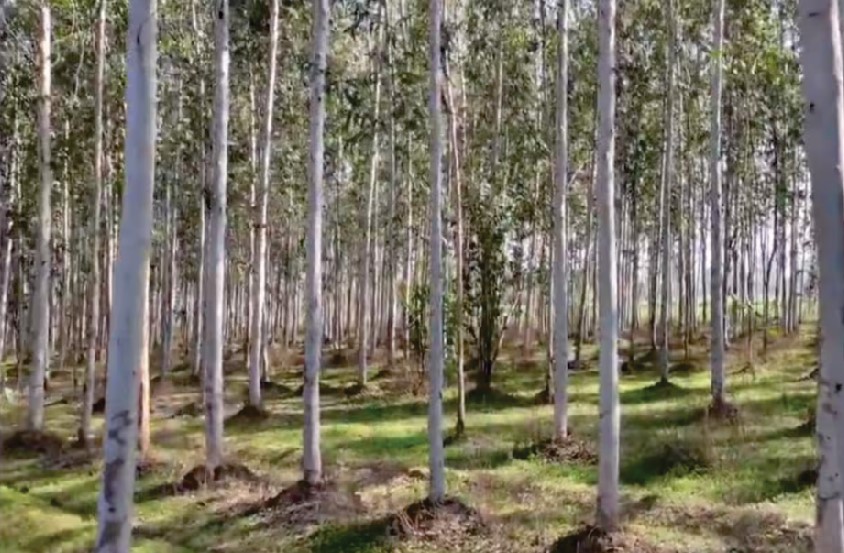
Setting up demonstration farms and agroforestry research centers across the state can play a significant role in showcasing successful agroforestry models. These demonstration farms can act as practical learning hubs for the farmers, allowing them to witness the benefits and best practices of agroforestry in action. (PAD, 2023).
- Establishing Farmer Helplines
Online platforms can serve as knowledge repositories, providing farmers with access to the latest research findings, guidelines on agroforestry practices, and expert advice. Additionally, a farmers’ helpline can act as a direct support channel enabling farmers to seek immediate assistance and clarifications on agroforestry-related queries (PAD, 2023).
- Encourage Large Wood-based Units
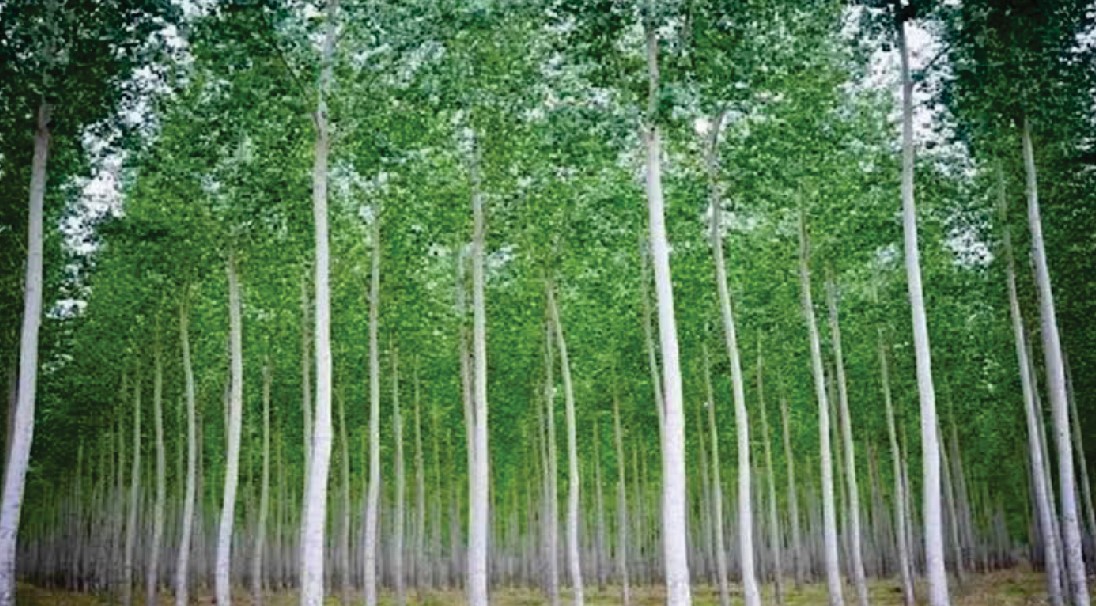
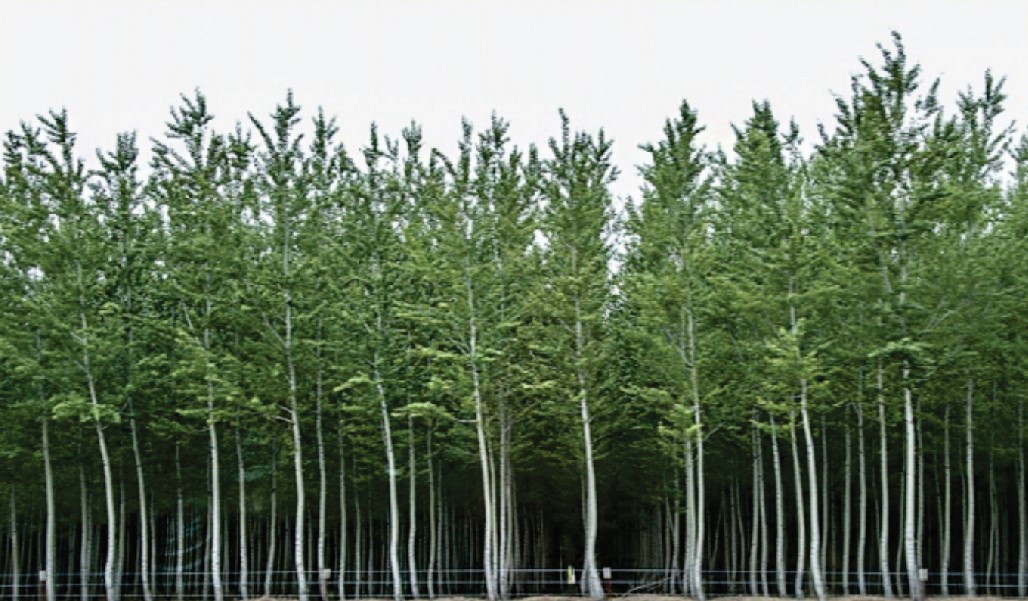
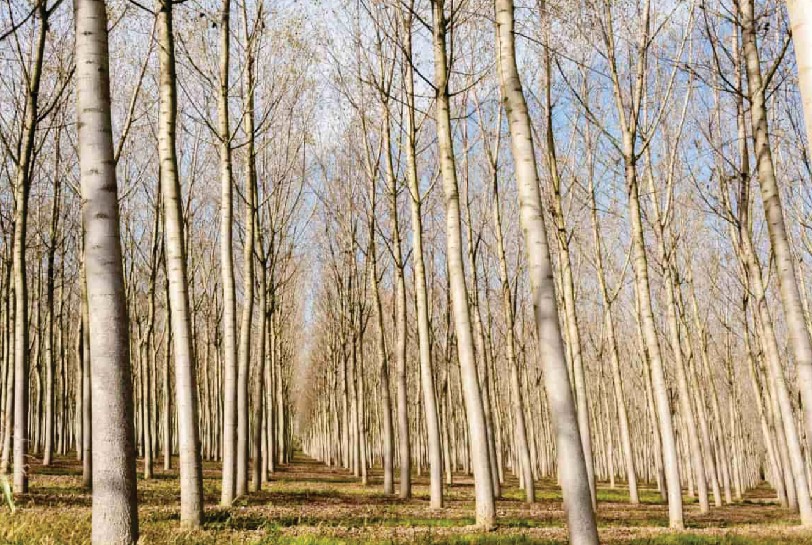
WIMCO Seedlings Ltd. (now located in Uttarakhand) pioneered the promotion of poplar farming in 1984 by supplying high-quality planting material, facilitating credit linkages, developing scientific packages of practices, and offering assured buy-back agreements.
Similarly, ITC Bhadrachalam Pvt. Ltd. has played a pivotal role in South India since 1989 by promoting the cultivation of clonal eucalyptus, casuarina, and subabul.
These initiatives not only helped meet the raw material requirements of the respective companies but also catalysed the widespread adoption of clonal eucalyptus plantations across the country. To further strengthen this trend, the establishment and expansion of large wood-based industrial units may be encouraged by extending the benefits of the Production Linked Incentive (PLI) Scheme (Sapra, 2025).
- Phased Expansion Strategy
The extension system for tree farming may be strengthened in 100 districts annually. In the initial phase, the preference may be given to districts where agroforestry has taken its roots due to the existence of wood-based industry. Subsequently, a cluster approach may be adopted for selecting adjoining districts to strengthen the extension system.
Conculusion:
Hence, the promotion of tree farming should be vigorously pursued through State Forest Departments and State Agriculture Departments, with the Indian Council of Forestry Research and Education and the Indian Council of Agricultural Research playing complementary roles.
The cultivation of tree crops offers higher returns to farmers compared to traditional agricultural crops.
Agroforestry can play a transformative role in rural landscapes, offering multiple benefits such as rainwater harvesting, mitigation of climate change impacts, reduction of weather-related risks, and the creation of employment opportunities for economically weaker and less-educated sections of society.
The implementation of agroforestry models will also contribute significantly towards achieving the national goal of bringing 33% of the country’s geographical area under forest and tree cover.
Therefore, it is imperative to strengthen extension services through sound policy initiatives and adequate financial support to ensure sufficient manpower and technical assistance for effectively benefiting farmers.
👇 Please Note 👇
Thank you for reading our article!
If you don’t received industries updates, News & our daily articles
please Whatsapp your Wapp No. or V Card on 8278298590, your number will be added in our broadcasting list.
Join our WhatsApp Channel “Ply & Panel Ind. News”



 Hindi
Hindi 
Ply insight launched on March 2018 with a vision to make a platform to collaborate plywood MDF, Laminate, machinery manufactures with dealers in the Trade.
Categories
Useful Links
Follow Us