


Somany: 5 Flooring Mistakes Homeowners Should Avoid During the Rainy Season
- August 12, 2026
- 0
The monsoon brings challenges like water, humidity, mud, and wet footwear, which can affect the durability, appearance, and safety of home flooring. Choosing the right flooring material helps maintain a beautiful, safe, and low-maintenance home during the rainy season.
- Ignoring Slip Resistance
Wet areas such as entrances, kitchens, bathrooms, and balconies require slip-resistant flooring to prevent accidents. Tiles with better grip and high slip resistance provide safety even in wet conditions.
- Selecting Porous Flooring in Moisture-Prone Areas
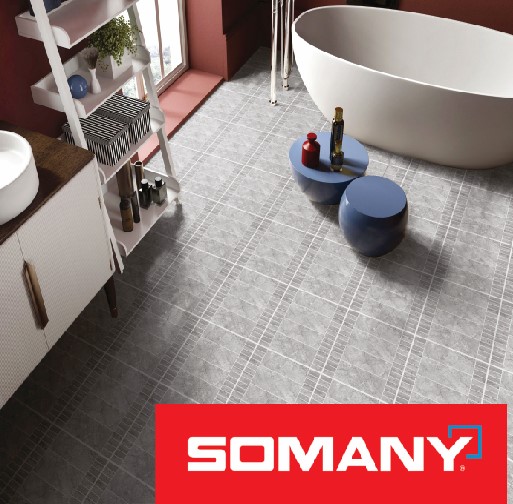
Porous floors can absorb water, leading to stains, discoloration, bad odours, and structural damage. Low water absorption vitrified tiles are a better choice for areas exposed to moisture.
- Using Glossy Tiles Everywhere
Glossy tiles add elegance but may show water marks and become slippery during rains. A combination of glossy tiles in living spaces and matt-finish tiles in wet areas offers a balance of style and safety.

- Overlooking Maintenance Requirements
Monsoon increases cleaning needs due to mud, leaves, and moisture. Large-format tiles with fewer grout lines reduce dirt accumulation and make cleaning easier.

- Using the Same Flooring Indoors and Outdoors
Outdoor spaces like balconies, terraces, and pathways require flooring that can withstand rain, heat, and weather changes. Textured porcelain tiles provide better grip, durability, and long-lasting performance.
Conclusion
A well-planned flooring choice ensures comfort, safety, and durability throughout the rainy season. Avoiding common flooring mistakes helps homeowners create a space that remains attractive, functional, and easy to maintain even during challenging monsoon conditions.
👇 Please Note 👇
Thank you for reading our article!
If you don’t received industries updates, News & our daily articles
please Whatsapp your Wapp No. or V Card on 8278298590, your number will be added in our broadcasting list.
Join our WhatsApp Channel “Ply & Panel Ind. News”



 Hindi
Hindi 
Ply insight launched on March 2018 with a vision to make a platform to collaborate plywood MDF, Laminate, machinery manufactures with dealers in the Trade.
Categories
Useful Links
Follow Us