


The Future of Bamboo: From Traditional Material to Engineered Product
- September 12, 2026
- 0
Today, when the wood based industry is facing shortage of wood, it’s principal raw material the potential of bamboo to evolve from a traditional material into a modern, engineered and commercially viable industrial resource. Drawing on nearly five decades of experience in the wood industry, a firmly believe that bamboo development should focus on creating a complete value chain that benefits farmers, processors, manufacturers and end-users.
The experience of the plywood and panel industry offers important lessons for the bamboo sector. Challenges such as raw material availability, farmer linkages, processing technology, quality, price fluctuations and market acceptance must be addressed through an integrated approach.
A key priority is to ensure a reliable and predictable supply of bamboo. Digital platforms and demand-supply forecasting systems can connect farmers with industry by mapping bamboo plantations, species, harvesting periods, available quantities, processing capacity and future market demand.
Technology and mechanisation will play a crucial role in bamboo processing. Specialised systems are required for harvesting, splitting, drying, treatment, preservation, lamination, pressing, CNC machining, quality testing and waste utilisation. Collaboration between bamboo researchers and existing wood-processing, plywood and machinery industries can help accelerate technological development.

For bamboo to gain large-scale acceptance in construction and furniture, standardisation, testing, certification and quality assurance are essential. Areas such as durability, termite resistance, fire performance, moisture stability, bonding strength and structural performance need to be properly evaluated and standardised.
Engineered bamboo offers major opportunities in construction through applications such as beams, columns, roofing, wall systems, flooring, doors, windows, panels, prefabricated structures and modular housing. The furniture and interior sector may provide an immediate commercial opportunity, including tables, chairs, cabinets, office furniture, hospitality furniture, wall panels and sustainable premium products.

It is very much essential that market development of Bamboo products must go hand-in-hand with production. Before expanding plantations, the industry should identify markets, understand product requirements, develop suitable technologies, establish standards and create processing capacity. Government support through demonstration projects, green procurement, common testing facilities, financing and technology assistance can help build market confidence.
Farmers must remain at the centre of the bamboo value chain. They need access to quality planting material, scientific cultivation practices, training, financing, aggregation centres and assured market or buy-back arrangements. A reliable market will encourage farmers to grow bamboo, while a stable raw material supply will give confidence to industry.
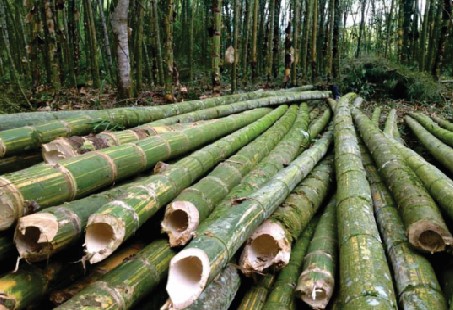
The way forward is based on four interconnected pillars:
FARM: Develop sustainable bamboo resources and ensure farmer participation.
TECHNOLOGY: Invest in mechanisation, treatment, preservation and engineered bamboo products.
STANDARDS: Build strong testing, certification and quality assurance systems.
MARKET: Create demand through product innovation, industry linkages, architects, demonstration projects, exports and government procurement.
The central message is that India should move beyond viewing bamboo merely as a traditional or plantation-based material. With the right ecosystem, technology and market support, bamboo can become an engineered, standardised and technology-driven material for modern construction, furniture and industrial applications.
👇 Please Note 👇
Thank you for reading our article!
If you don’t received industries updates, News & our daily articles
please Whatsapp your Wapp No. or V Card on 8278298590, your number will be added in our broadcasting list.
Join our WhatsApp Channel “Ply & Panel Ind. News”




 Hindi
Hindi 
Ply insight launched on March 2018 with a vision to make a platform to collaborate plywood MDF, Laminate, machinery manufactures with dealers in the Trade.
Categories
Useful Links
Follow Us