

Accept the New Normal
- March 24, 2026
- 0
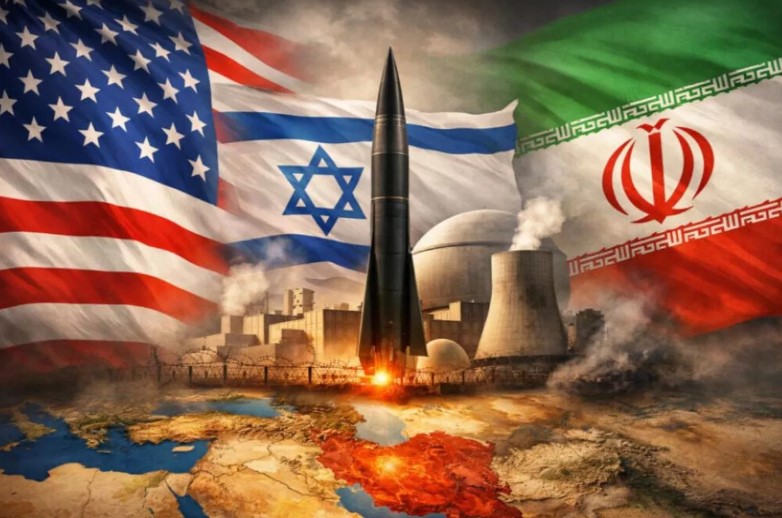
Small wars can be won through strategic skill, but long wars are usually won through logistics and industrial capacity. The Iran war has now entered its fourth week. Its outcome may now depend on which side has how much stock of different types of weapons left, and what the status of global oil and gas reserves is.
With the Strait of Hormuz remaining closed, nearly 0.5% of the world’s annual oil and gas supply is being pushed out of the market every week. Because of the closure of the strait, most of the production capacity of Saudi Arabia, Kuwait, and Iraq has also been disrupted. Attacks by the US and Israel on Iran’s Kharg Island facility and other energy infrastructure in the South Pars gas field (shared with Qatar) have also reduced Iran’s ability to produce oil and natural gas.
Due to attacks on energy infrastructure, Qatar has been forced to shut down its massive gas terminal at Ras Laffan. It has suffered such damage that repairs could take 3 to 5 years and cost more than $20 billion.
Even after the war ends, it will take several months or even years to repair facilities and resume production. Considering the geopolitics of the Ukraine war and the current situation in Venezuela, increasing production from unaffected regions may also take time.

Creating alternative routes to the Strait of Hormuz in the Persian Gulf and the Bab el-Mandeb Strait in the Red Sea would take several years and involve heavy costs. Bab el-Mandeb is also a chokepoint where the Houthis have repeatedly disrupted maritime traffic in the Red Sea. To prevent its closure, the US had to agree to a ceasefire agreement in 2025.
If supply shortages continue, these reserves will eventually fall short of demand. If oil and gas reserves are depleted before adequate supply is restored, we could face serious trouble, as there would be severe shortages of essential goods.
Apart from directly impacting energy prices, oil and gas are raw materials for fertilizers, and petrochemicals based chemicals such as Methanol, Phenol, Melamine. This would lead to food shortages and higher prices, along with negative impacts on supply chains related to petrochemicals.
This is not a favorable situation. In the near future, whatever conditions change and bring shifts in life or the economy, will have to be accepted as the “new normal.”
👇 Please Note 👇
Thank you for reading our article!
If you don’t received industries updates, News & our daily articles
please Whatsapp your Wapp No. or V Card on 8278298590, your number will be added in our broadcasting list.



 Hindi
Hindi 
Ply insight launched on March 2018 with a vision to make a platform to collaborate plywood MDF, Laminate, machinery manufactures with dealers in the Trade.
Categories
Useful Links
Follow Us