

Fire Incidents are Increasing due to Global Warming & Precautions
- June 5, 2026
- 0
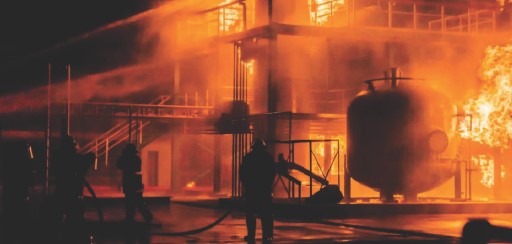
Rising temperatures caused by global warming are contributing to an increase in fire incidents. While electrical short circuits are often considered the primary cause of fires, recent incidents at residential and commercial premises have highlighted two major factors behind such disasters: inadequate fire safety arrangements and extreme heat conditions.
Fire safety experts believe that partial or inadequate fire protection measures are no longer sufficient. If proper attention is not given to fire prevention and preparedness, the risk of accidents will continue to rise.
According to experts, fire safety arrangements at many commercial establishments are often incomplete and inadequate. This is particularly concerning in industries where the risk of fire is relatively high, such as the wood and plywood industry.

What Safety Measures Should Be Taken?
- Ensure Fire Brigade Access: Every corner of the industrial unit should be accessible to fire brigade vehicles. Proper roads and access routes must be available for emergency response.
- Maintain Electrical Wiring Properly: Loose electrical wires should be avoided. Electrical joints should be minimized, and wherever joints exist, they must be properly tightened to eliminate the risk of short circuits.
- Obtain and Maintain Fire Safety Compliance: Units should obtain the necessary No Objection Certificate (NOC) from the fire department. Fire safety systems should be inspected regularly, and any required improvements must be implemented without negligence.
- Avoid Overloading Electrical Equipment: Electrical equipment, motors, and machinery should not be operated beyond their rated capacity, as overloading increases the risk of overheating and fire.
- Keep Equipment Cool During Extreme Heat: High temperatures during summer can increase the likelihood of short circuits. Appropriate cooling and ventilation arrangements should be in place to prevent overheating of equipment.
- Train Workers About Heat-Related Risks: Employees and machine operators should be made aware of the risks associated with rising temperatures. They should incorporate preventive practices into their daily work routines.
- Use High-Quality Electrical Materials: Only reliable and certified electrical wires, cables, switches, and equipment from reputable manufacturers should be used.
- Ensure Proper Cooling of Transformers and Generators: Special attention should be given to keeping transformers and generators cool. Transformers are often installed in enclosed rooms, which is not ideal. If they are housed indoors, proper ventilation and air circulation must be ensured.
- Develop an In-House Firefighting Team: Every unit should have at least one trained fire safety expert or firefighting team. Different types of fires require different extinguishing methods. For example: Electrical fires caused by short circuits require a different approach. Fires caused by sparks or combustible materials require different firefighting techniques.
Therefore, trained personnel are essential. Regular on-site demonstrations and training sessions by fire safety professionals should be conducted to ensure preparedness and effective emergency response.
With rising temperatures and increasing fire risks, industries can no longer rely on basic or incomplete fire safety measures. Proper infrastructure, regular maintenance, employee training, and professional firefighting preparedness are essential to protect lives, property, and business continuity. For high-risk sectors such as the plywood and wood-processing industry, proactive fire safety management has become more important than ever.
👇 Please Note 👇
Thank you for reading our article!
If you don’t received industries updates, News & our daily articles
please Whatsapp your Wapp No. or V Card on 8278298590, your number will be added in our broadcasting list.
Follow our Whatsapp Channel “Ply & Panel Ind. News”




 Hindi
Hindi 
Ply insight launched on March 2018 with a vision to make a platform to collaborate plywood MDF, Laminate, machinery manufactures with dealers in the Trade.
Categories
Useful Links
Follow Us