

Intiative by FIPPI for strengthening india’s WBI
- September 12, 2026
- 0
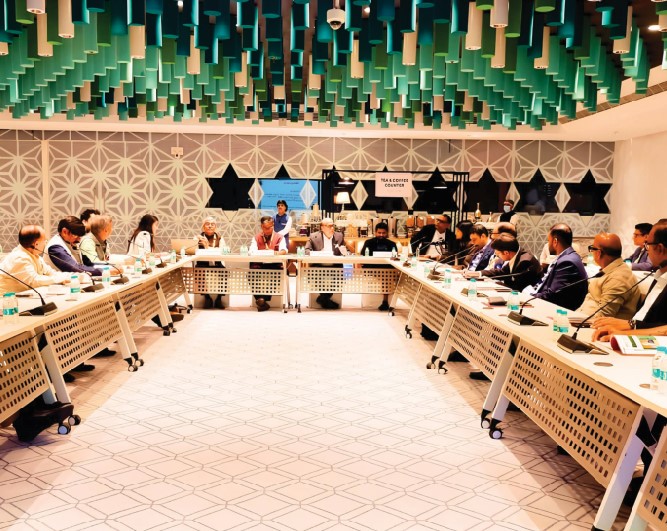
The 43rd Annual General Meeting of the Federation of Indian Plywood & Panel Industry (FIPPI) focused on strengthening the organisation, promoting sustainable raw material availability, product innovation, standardisation, trade protection and the future growth of India’s plywood and panel industry. FIPPI currently has 55 primary members, 19 affiliated members and 6 associate members. FIPPI is also strengthening communication through its quarterly magazine, Indian Wood & Allied Panels, social media platforms and an updated official website.
Foundation Day and Indian Plywood & Panel Congress
FIPPI has proposed celebrating its Foundation Day on 2 November 2026 along with the organisation of the Indian Plywood & Panel Congress and the release of a Coffee Table Book.
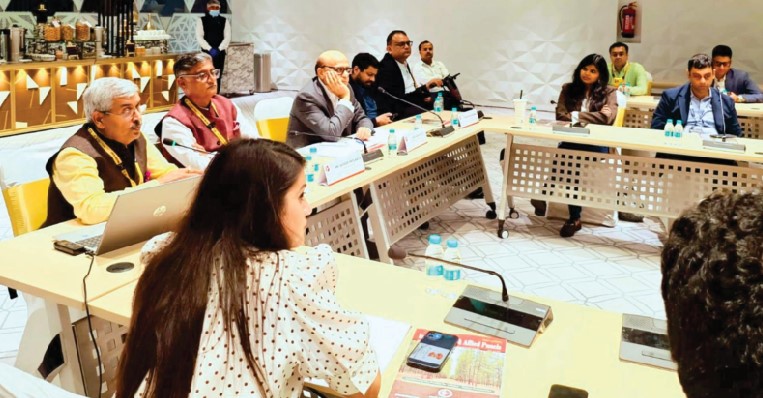
The proposed Congress will focus on three major themes:
- Wood Sustainability – Agroforestry, Trees Outside Forests (ToF), farm-grown timber, alternative raw materials, carbon markets, green credits, certification and traceability.
- Product Innovation and Future Opportunities – New-generation products such as high-moisture-resistant boards, OSB, sandwich boards, mass ply, engineered wood products, advanced adhesives and bio-based resin technologies.
- Strengthening India’s Trade – Import substitution, anti-dumping measures, MIP, customs valuation, export promotion, global certification, technology upgradation and development of new export markets.
Product Innovation and Standardisation

FIPPI highlighted several important developments, including:
- Proposed colour coding for MDF grades under IS 12406.
- Revision of IS 12406 to cover both MDF and HDF, including HMR and BWP grades.
- Finalisation of draft standards for laminated flooring and flexible plywood.
- Publication of Amendment No. 1 to IS 4990 for shuttering plywood in August 2026.
- Projects assigned to IWST relating to utilisation of plywood and panel rejects, pre-laminated plywood and fire-retardant MDF and particle board.
- Promotion of bio-resin technologies as a possible alternative to reduce dependence on urea-based resins.
Policy and Raw Material Sustainability

FIPPI continues to advocate for policy reforms related to:
- Uniform implementation of MoEF&CC guidelines for wood-based industries.
- Private participation in forest plantations.
- A National Timber Policy and Agroforestry Act.
- Establishment of a National Agroforestry Board.
- A Development Council for plywood and panel products.
- Agroforestry-based Wood Industry Promotion Policies in several states.
The organisation is also promoting stronger GST compliance in the timber supply chain and has proposed mechanisms such as Reverse Charge Mechanism (RCM) and GST TDS for certain timber transactions.
Trade Protection and Domestic Manufacturing
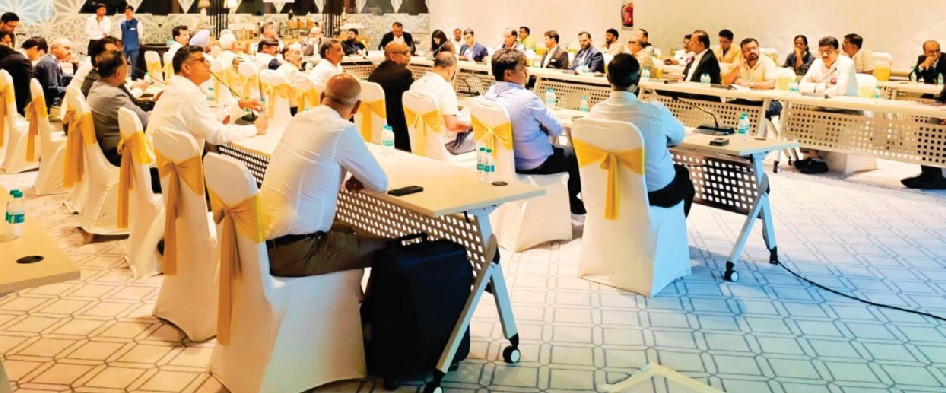
FIPPI is monitoring imports following the implementation of Quality Control Orders (QCOs) and has advocated measures to protect domestic manufacturers, including the possible use of Anti-Dumping Duty (ADD), Countervailing Duty (CVD), Minimum Import Price (MIP) and other trade remedies.
It has also recommended the inclusion of wood panel products in the Exclusion List for India’s future Free Trade Agreement negotiations.
👇 Please Note 👇
Thank you for reading our article!
If you don’t received industries updates, News & our daily articles
please Whatsapp your Wapp No. or V Card on 8278298590, your number will be added in our broadcasting list.
Join our WhatsApp Channel “Ply & Panel Ind. News”



 Hindi
Hindi 
Ply insight launched on March 2018 with a vision to make a platform to collaborate plywood MDF, Laminate, machinery manufactures with dealers in the Trade.
Categories
Useful Links
Follow Us