

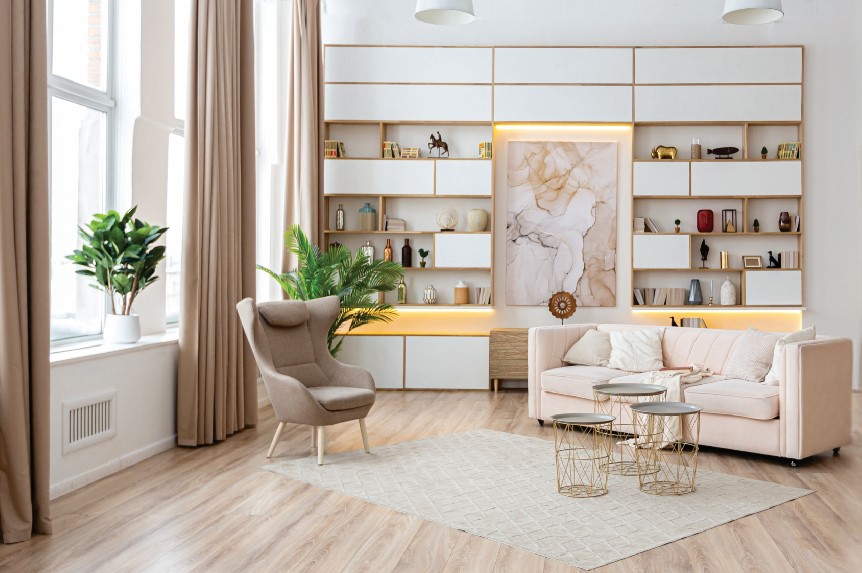
BUILDING GREEN FROM THE INSIDE OUT: KömaDoor
- May 9, 2026
- 0
How KömaDoor, Polymer Composite Sheets, Are Redefining Sustainable Interiors in India
India’s construction and interior design industry is at a crossroads. On one side stands a deeply entrenched tradition where conventional wood based paneling materials have been the default material of choice for Indian interiors for generations. On the other side stands an increasingly urgent reality – India’s forest are under pressure, green building certifications are becoming mainstream, and a new generation of architects, designers, and homeowners are asking a question that would have seemed radical just a decade ago – does our interior really have to be made of wood based materials?
At Koemmerling, our answer is clear. It does not. And with KömaBoard, our range of premium high-quality polymer composite sheets engineered with German precision standards, we are offering the Indian market a material that is not just a substitute of wood based paneling materials, but a genuinely superior alternative in every dimension that matters for sustainable, responsible building.
Shifting Priorities in Modern Interiors
No doubt the wood based paneling martials carries centuries of cultural association. But the environmental reality of wood based paneling material as a primary interior material is one the industry can no longer afford to overlook especially when the building & construction industry is moving rapidly towards sustainable building practices. Beyond the environmental cost of sourcing, wood based paneling materials come with a range of performance limitations that are particularly acute in the Indian context, i.e., susceptibility to moisture and humidity, vulnerability to termite infestation, warping and swelling in monsoon conditions, and a maintenance burden that accumulates significantly over time.
These growing limitations are prompting a clear shift in material thinking—paving the way for advanced, sustainable alternatives like KömaBoard polymer composite sheets that are engineered to meet the evolving demands of modern Indian interiors.
KömaBoard — German Engineering in Service of Sustainable Indian Interiors
KömaBoard is Koemmerling’s answer to this challenge — a premium range of PVC and WPC polymer composite sheets crafted with the German precision engineering and material science expertise that has defined the Koemmerling brand for over 125 years. Backed by its global expertise, Koemmerling brings a depth of material formulation capability and R&D investment to KömaBoard that no domestic board manufacturer can replicate.
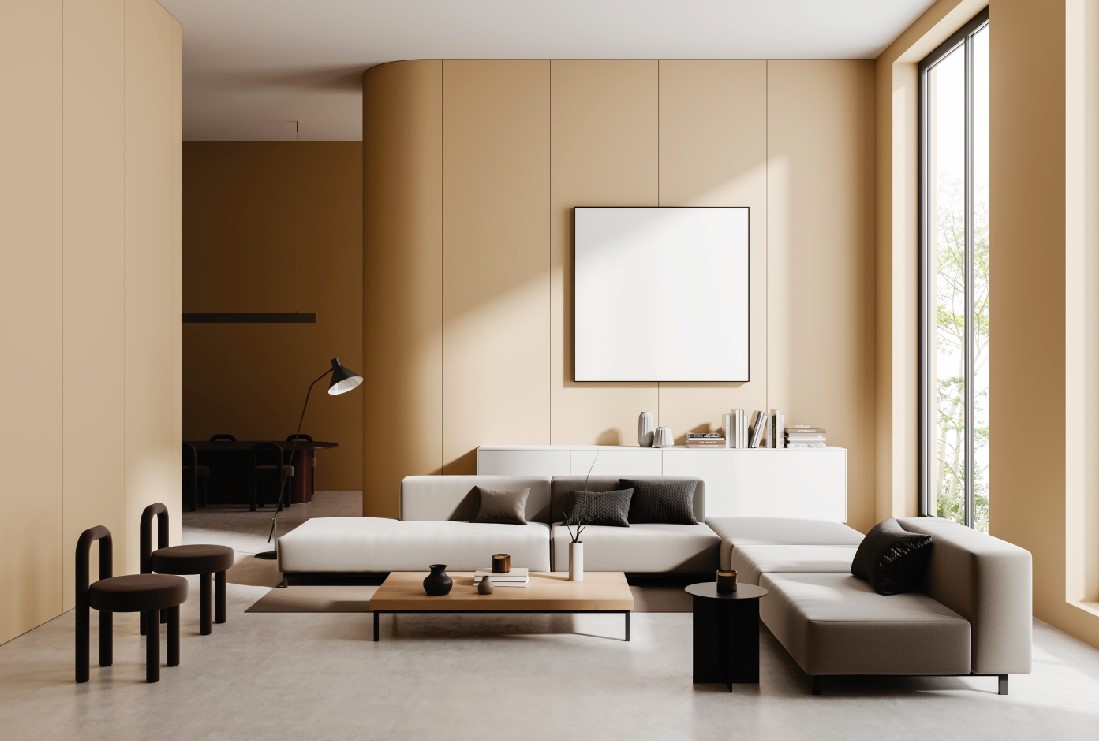
The result is a material that eliminates every significant limitation of wood in one product. KömaBoard is completely waterproof and moisture resistant — it does not swell, warp, or degrade in humid conditions. It is 100% termite and borer proof — there is no organic material for insects to consume, meaning a KömaBoard installation will never suffer the silent structural damage that termites inflict on wood-based interiors over time. It is fire retardant, anti-fungal, anti-bacterial, and available in a lead-free formulation that meets the highest international environmental standards — a direct response to the growing demand for healthier, safer interior materials in Indian homes and commercial spaces.
Sustainability at the Core — Not as an Afterthought
What makes KömaBoard’s sustainability story genuinely compelling — and what sets it apart from the broader category of alternative panel materials — is that its environmental credentials are built into the material itself, not layered on as a marketing claim. KömaBoard is a lead-free material, formulated in compliance with rigorous European environmental standards. There are no toxic or harmful substance in KömaDoor that can be given off over the long term. KömaDoor is free from formaldehyde, asbestos, lindane, PCB, PCP, and CFCs. What’s more, they are cadmium and lead-free and are also made without any monomers, biocides or plasticizers. This is why KömaDoor pose absolutely no hazard to people or the environment, neither during their manufacture, while in use, nor during the recycling process.

More significantly, KömaBoard embraces the principles of the circular economy — a concept that Koemmerling has been pioneering in the polymer materials space for decades in global markets. Unlike wood-based panels that end their life in landfill or incineration, KömaBoard sheets are fully recyclable. Production waste and off-cuts from fabrication can be reintegrated into the manufacturing process, and at the end of a KömaBoard installation’s service life, the material can be recycled and reintroduced into production — multiple times over, without meaningful degradation in material quality. In an industry where the environmental cost of material disposal is rarely factored into specification decisions, this closed-loop recyclability represents a significant and measurable advantage.
Design Freedom Without Compromise
Sustainability does not demand aesthetic sacrifice with KömaBoard — and this is perhaps the most important message for architects, interior designers, and furniture manufacturers to take away. Crafted with polymer composite materials KömaBoard offers a smooth, uniform and precisely calibrate surface which are fully compatible with CNC cutting and carving machines. This opens up a world of intricate design possibilities from detailed wall paneling patterns and decorative partition grills to bespoke furniture to retail and commercial installations. Further surface customization like laminates, painting, polishing, and printing can be explored easily due to its non-porous surface which gives a seamless finish. This gives design professionals the creative freedom they need without the material limitations they are accustomed to working around. Additionally, these boards are compatible with regular machines and tools, and no special tools are required for working on these boards.
Available in woodgrain textures that replicate the warmth of natural timber and pristine white finishes for a contemporary, minimalist aesthetic, KömaBoard adapts to any design language. Its lightweight yet highly durable structure makes it practical for both residential and large-scale commercial installations — from modular kitchen cabinets and wardrobes to false ceilings, office workstations, retail display systems, and exterior facade cladding. In every application, it delivers what wood based material promises but rarely sustains over time: consistent performance, enduring aesthetics, and zero ongoing maintenance.
👇 Please Note 👇
Thank you for reading our article!
If you don’t received industries updates, News & our daily articles
please Whatsapp your Wapp No. or V Card on 8278298590, your number will be added in our broadcasting list.
Join our Whatsapp Channel “Ply & Panel Ind. News”


 Hindi
Hindi 
Ply insight launched on March 2018 with a vision to make a platform to collaborate plywood MDF, Laminate, machinery manufactures with dealers in the Trade.
Categories
Useful Links
Follow Us