

UK UP Ply Manufacturers Association at the Forefront of Modernizing ISI Standards
- June 11, 2026
- 0
The implementation of the Quality Control Order (QCO) marked a turning point for India’s plywood and wood panel industry. While the move aimed to improve product quality and standardization, it also posed significant challenges, particularly for MSMEs. Much of the existing ISI framework had been developed decades ago, when plywood was primarily manufactured using seasoned forest timber and traditional production methods, making several provisions difficult to implement under modern manufacturing conditions.
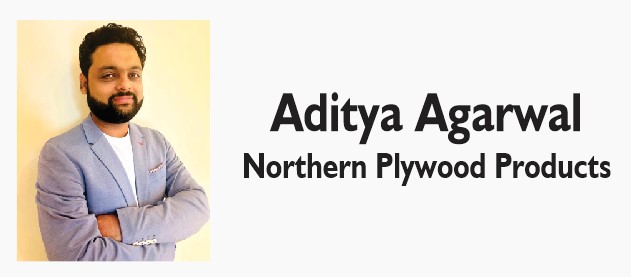
Recognizing the need for practical and inclusive standards, the Uttarakhand Ply Manufacturers Association (UPMA), under the guidance of Aditya Agarwal, Partner, Northern Plywood Products, took a proactive role in bridging the gap between regulatory requirements and industry realities.
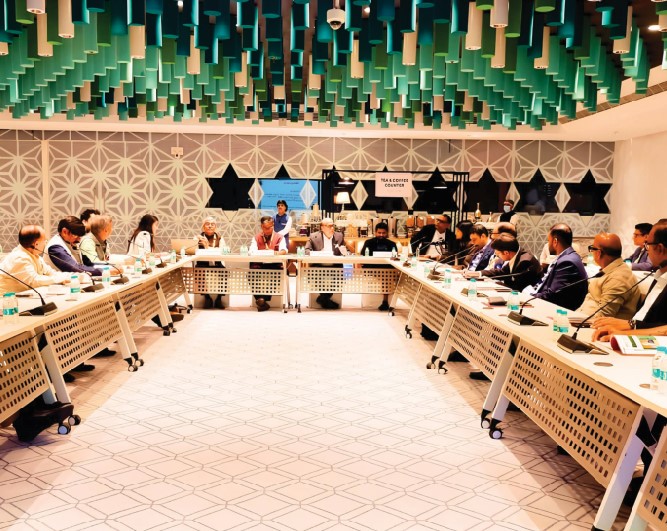
Rather than opposing the QCO framework, the association worked closely with BIS, DPIIT, IWST, and industry stakeholders to modernize standards while maintaining quality benchmarks. Key initiatives included participation in meetings with government and technical bodies, organizing Manak Manthan to facilitate dialogue between BIS and industry, forming a BIS Working Committee comprising representatives from various state associations, and actively contributing to BIS technical committees CED 20 and CED 11.

These efforts have led to several significant reforms:
IS 303 – General Purpose Plywood
The association successfully advocated for rationalization of bending class requirements and face veneer thickness criteria, making the standard more inclusive for plywood manufactured across India using different timber species and production practices.
IS 1659 – Block Boards
Important reforms included removal of the mandatory spot test, easing of stringent bending class requirements, and relaxation of overly rigid tolerances, improving manufacturability without compromising quality.
IS 4990 – Preservative-Treated Plywood
The association played a key role in removing mandatory retention requirements for CCB and ACC preservatives, provisions that were considered impractical for large-scale implementation.
 IS 2202 – Flush Doors
Work is currently underway on a revised standard that seeks to include lower-category doors manufactured using production by-products, a development that could significantly benefit MSMEs and promote resource efficiency.
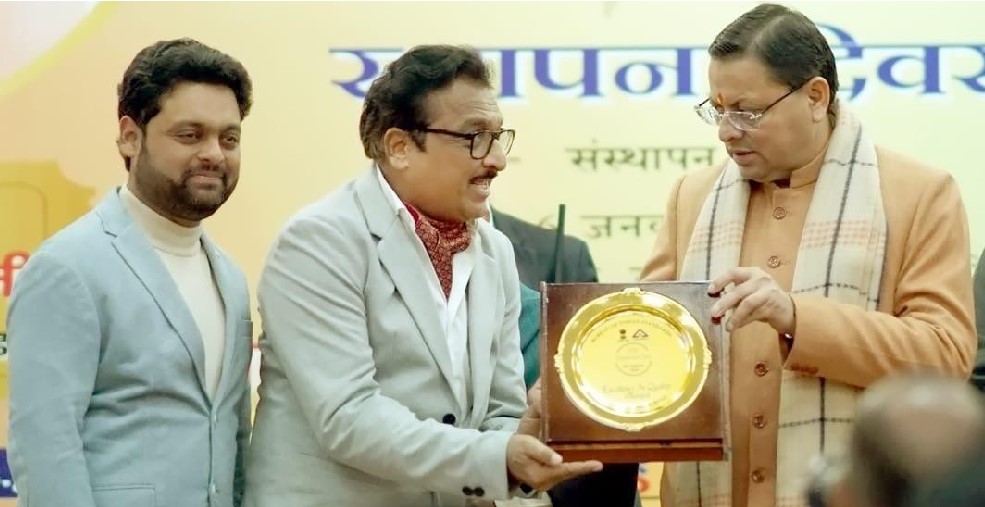
The association’s contribution to quality enhancement and standard development was recently recognized by BIS Dehradun, which conferred the Excellence in Quality Award upon UPMA. The award was presented by the Hon’ble Chief Minister of Uttarakhand, Shri Pushkar Singh Dhami, to Sandeep Gupta, Partner, Northern Plywood Products and General Secretary of the Uttarakhand Ply Manufacturers Association.
Through constructive engagement with regulators and industry stakeholders, UPMA has demonstrated that effective standardization is achieved through collaboration. Under the leadership of Aditya Agarwal and the active participation of industry members, the association continues to play a pivotal role in shaping a modern, practical, and globally competitive plywood industry for India.
👇 Please Note 👇
Thank you for reading our article!
If you don’t received industries updates, News & our daily articles
please Whatsapp your Wapp No. or V Card on 8278298590, your number will be added in our broadcasting list.
Join our Whatsapp Channel”Ply & Panel Ind. News”



 Hindi
Hindi 
Ply insight launched on March 2018 with a vision to make a platform to collaborate plywood MDF, Laminate, machinery manufactures with dealers in the Trade.
Categories
Useful Links
Follow Us