

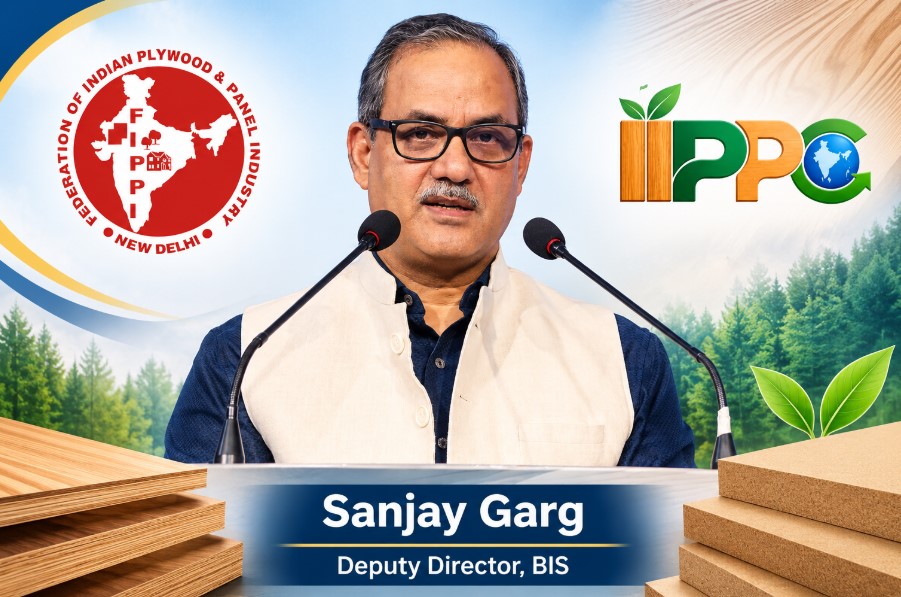
BIS is working for minimising human interaction and intervention
- November 18, 2026
- 0
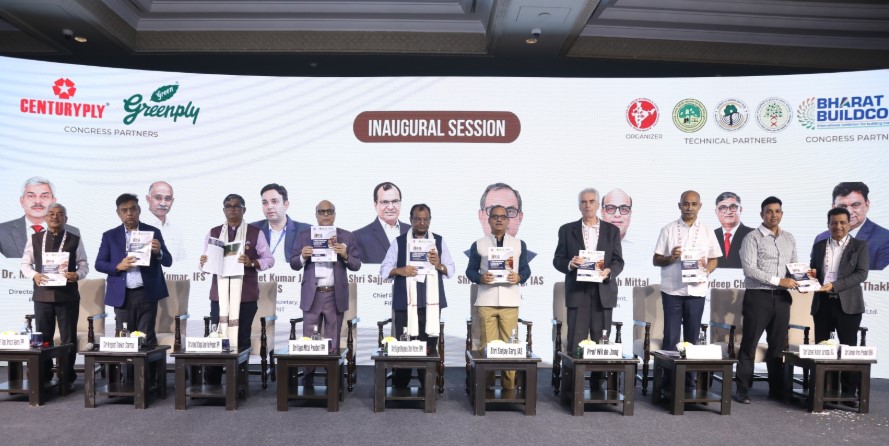
Addressing the 1 st India international plywood and panel congress (IIPPC), Sanjay Garg, Deputy Director, BIS, urged the industry to embrace quality standards, technological advancement and innovation while working collectively towards the vision of Viksit Bharat.
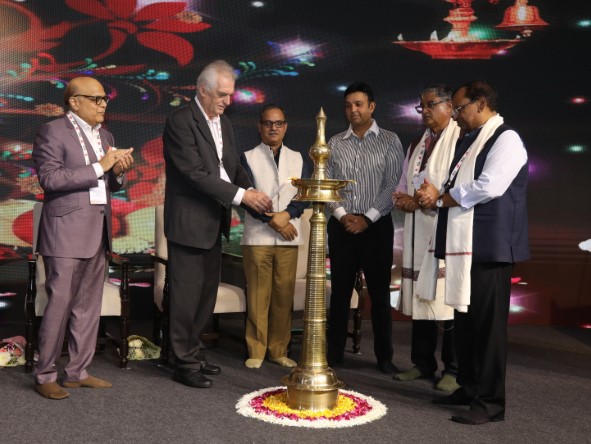
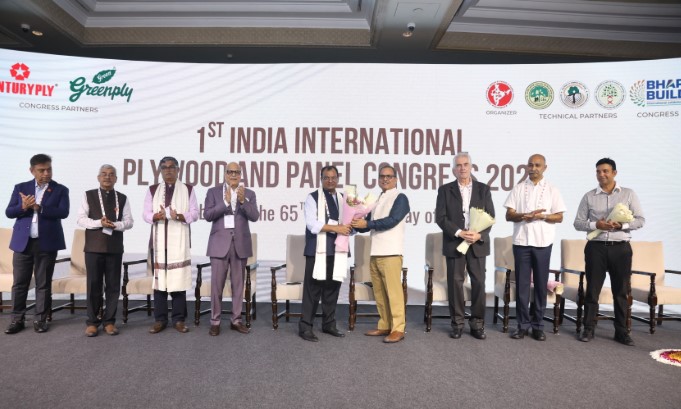
At the 65th foundation day celebration of the Federation of Indian Plywood & Panel Industry (FIPPI), held on 2 November 2026, Sanjay Garg, Deputy Director, Bureau of Indian Standards (BIS), shared his views on the current status of India’s plywood and panel industry, the impact of Quality Control Orders (QCOs), and the way forward for the sector.
He stated that the Indian plywood and panel market is currently valued at approximately ₹26,000 crore and is growing at a Compound Annual Growth Rate (CAGR) of 5%. Out of nearly 5,000 manufacturing units in the country, around 3,500 have already obtained BIS licences. He also highlighted that most manufacturing units in this sector belong to the Micro, Small and Medium Enterprises (MSME) category.
QCO Has Significantly Reduced Imports of Substandard Products
Highlighting the impact of QCO implementation, Garg stated that before the introduction of QCO in February 2025, imports of cheap and substandard products were estimated at around ₹470–480 crore. However, these imports have now declined to less than ₹100 crore, and he expressed the expectation that they would decrease further.
He observed that following the implementation of QCO, consumer expectations regarding product quality have increased significantly. This change should be viewed as an opportunity by the industry. Manufacturers need to recognise the importance of quality standards, innovation and sustainability. They must also embrace technological advancement to improve manufacturing processes and product quality.
He further emphasised that recovery and recycling are other important areas requiring greater attention from the industry.
Investment in quality, laboratory-testing infrastructure and innovation should not be viewed merely as an expense but as a long-term investment for the industry as well as the country.
BIS Moving Towards Simpler Processes and Digitalisation
Garg acknowledged that some industrialists in the MSME sector consider BIS rules and regulations a barrier to their
growth because of the compliance burden and the discipline required to maintain quality.
Addressing these concerns, he explained that while BIS is progressively bringing more products under the quality compliance framework, it is also working towards simplifying its processes and increasing digitalisation. The objective is to minimise human interaction and intervention in the maintenance of licences.

He stated that BIS is making efforts to reduce the compliance burden in every possible respect, including minimising factory surveillance. Market surveillance will be strengthened with the objective of reducing factory inspections to once in five years, subject to the performance of the particular industry.
Relief in In-house Testing and Other Compliance Requirements
- Explaining the facilities being extended to the industry, Garg said that the burden of mandatory in-house testing has been removed. Manufacturers can now opt for testing through private authorised laboratories, according to their requirements.
- He further informed that BIS provides financial assistance for laboratory equipment to any institution, association or industrial cluster willing to operate the laboratory on a non-profit basis.
- The concession in licence (marking) fees for MSMEs has also been extended until 2029. In addition, BIS licences can now be renewed for a period of up to five years.
- According to Garg, all these measures are intended to facilitate the industry while encouraging manufacturers to become self-disciplined in maintaining product quality.
Industry Participation in Standards Development is Essential
Garg urged industry experts to actively participate in the standards development process. Their involvement is important to ensure that Indian standards remain aligned with contemporary research, technological advancements and the latest developments taking place in the industry.
He emphasised that active participation by industry stakeholders would help develop standards that reflect current technological requirements and practical manufacturing conditions.
Collective Efforts Needed for VIKSHIT BHARAT
Concluding his address, Sanjay Garg appealed to every industrialist, irrespective of the size of their business, to work collectively towards the vision of Viksit Bharat.
He called upon the industry to focus on manufacturing internationally competitive products and establishing India as a strong global player.
His message was clear: quality should not be treated merely as a regulatory requirement but as the foundation of long-term industrial growth, credibility and global competitiveness. By embracing quality, innovation, technological advancement and sustainability, India’s plywood and panel industry can strengthen its position in the domestic as well as international markets.
👇 Please Note 👇
Thank you for reading our article!
If you don’t received industries updates, News & our daily articles
please Whatsapp your Wapp No. or V Card on 8278298590, your number will be added in our broadcasting list.
Join our WhatsApp Channel “Ply & Panel Ind. News”




 Hindi

Ply insight launched on March 2018 with a vision to make a platform to collaborate plywood MDF, Laminate, machinery manufactures with dealers in the Trade.
Categories
Useful Links
Follow Us